
You’ve probably seen smaller restaurants suddenly getting recognised, shortlisted, even winning a Restaurant Award, and wondered how they pulled it off so quickly. It’s rarely luck.
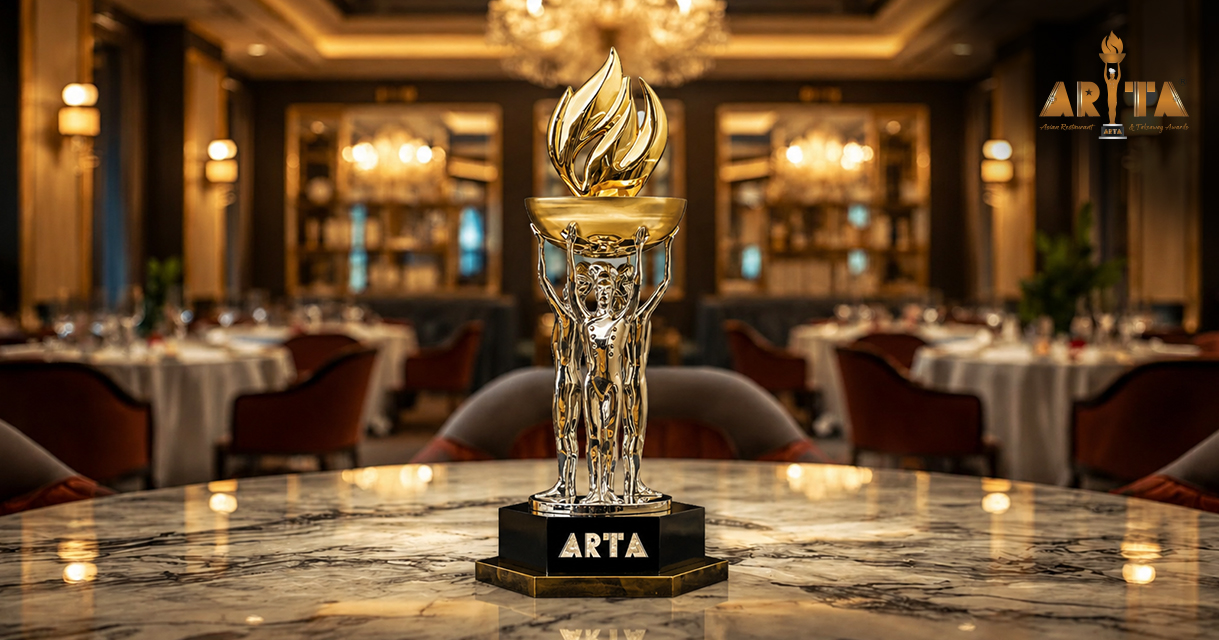
Most of the time, they’ve quietly aligned their food, service, and reputation with what judges are already looking for. If you’re aiming for something like the Asian Restaurant and Takeaway Awards, often called the Curry Oscar or the Oscar of the Curry Industry, the path is more practical than people think.
This isn’t about ticking boxes. It’s about tightening the way your restaurant runs day to day so that when you do enter, you’re already operating at that level.
Defining the Core Judging Criteria for Modern Hospitality Awards
Before anything else, you need to be clear on how judging actually works. Every Restaurant Award follows a structure. Once you understand that, things start to make more sense.
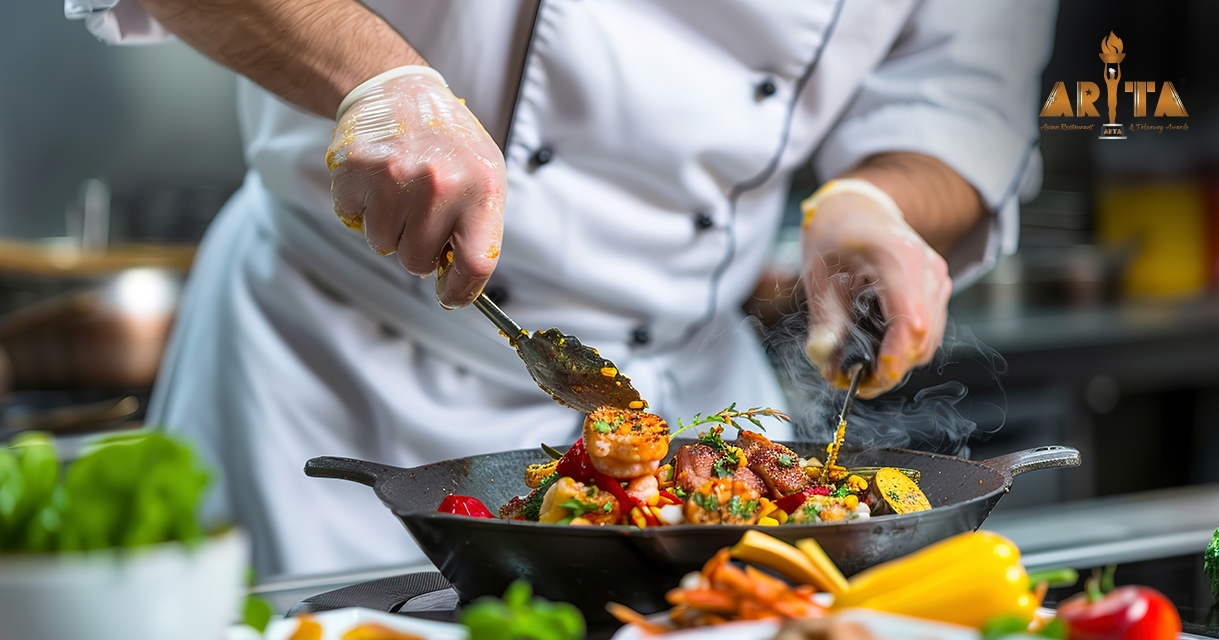
Culinary Precision and Technical Execution
This is where everything begins. Judges care about consistency more than creativity.
Think about the full “plate-to-palate” experience:
- Where your ingredients come from
- Whether dishes arrive at the right temperature
- How balanced the flavours are
It sounds basic, but this is where many restaurants slip.
You might have a brilliant dish, but if it tastes slightly different depending on the day or who’s cooking, it becomes a problem. Award-winning kitchens don’t rely on memory or instinct alone. They systemise everything.
If your chef is adjusting spice levels on the fly without measurements, that’s something to fix. Standardising recipes doesn’t remove creativity. It protects quality.
Service Excellence and the Intuitive Hospitality Model
Good service is expected. What stands out is consistent service.
Judges notice small things:
- How quickly guests are acknowledged
- Whether staff seem switched on or distracted
- If returning customers feel recognised
This idea of “intuitive hospitality” gets talked about a lot, but in practice, it’s simple. Your team should read the room without needing constant direction.
One real example. A takeaway in East London trained staff to greet regulars by name and remember their usual orders. Nothing fancy, but it changed how customers felt about the place. That kind of detail feeds directly into restaurant awards tips that actually work.
If your Front-of-House runs differently depending on who’s on shift, that inconsistency will show.
Operational Hygiene and Regulatory Compliance
This part is non-negotiable. A 5-star Food Hygiene Rating is the baseline. Not a bonus.
Judges often check:
- Hygiene scores
- Cleanliness of the kitchen and service areas
- Compliance with safety standards
You can have excellent food, but if your hygiene rating is below expectations, your chances drop quickly. Think of this as your entry ticket, not your advantage.
Navigating the Award Entry Process and Submission Strategy
A lot of restaurants underestimate this part. The way you enter matters almost as much as how you operate.
Strategic Nomination and Application Management
Different awards work in different ways.
Some rely on public nomination, such as the Asian Restaurant and Takeaway Awards. Others, like the Asian Curry Award, may involve industry panels or anonymous visits.
So your approach has to shift:
- Public voting means engaging your customers properly
- Judge-led awards mean tightening operations and documentation
- Secret evaluations mean you have to be consistent every day
One mistake people make is treating all awards the same. That usually leads to weak entries.
Developing a High-Authority Brand Narrative
This is where many applications feel flat. You’re not just filling out a form. You’re explaining why your restaurant matters.
Your story doesn’t need to be dramatic, but it does need to be clear:
- Why you started
- What makes your food different
- What role you play in your local area
For example, if your menu focuses on a specific regional cuisine that’s underrepresented in the UK, that’s worth highlighting. That’s part of your identity. Avoid generic claims like “we offer the best service”. Judges read hundreds of entries. Specifics always stand out more.
Evidence-Based Submissions: Data and Visual Assets
You can’t rely on words alone.
Strong submissions usually include:
- Clear, high-quality food photos
- Any press mentions or local features
- Real data, like how much of your produce is locally sourced
Think of it as building a case.
If you say your restaurant is popular, back it up with reviews or repeat customer data. This is where a proper award-winning restaurant guide mindset comes in. You’re backing everything up.
Operational Alignment with Award-Winning Standards
This is the part that actually determines whether you win or not. Not the application. Not the marketing. The day-to-day running of your restaurant.
Quality Control Systems and Internal Audit Protocols
Consistency doesn’t happen by accident. Some restaurants run “mock judging” sessions where someone goes through the full customer experience and reports back. It sounds a bit formal, but it works.
You can also:
- Check kitchen output regularly
- Review service during different shifts
- Track feedback patterns
The goal is simple. Make sure your “average day” feels like your best day.
Menu Engineering for Critical Recognition
Your menu says a lot about you. Judges aren’t expecting a huge list of dishes. They’re looking for clarity and confidence.
A strong menu:
- Shows what you do best
- Uses seasonal ingredients where possible
- Includes a few standout dishes you’re known for
If your menu is too broad, it can dilute your strengths. A focused menu often performs better in first-time restaurant awards.
Building Social Proof and Digital Brand Authority
Your online presence matters more than it used to.
Judges, and even voters, will check:
- Google reviews
- Ratings across platforms
- How you respond to feedback
If your reviews are inconsistent or unanswered, it raises questions.
A simple habit, like regularly replying to reviews, can shift how your brand is perceived. It also feeds into stronger restaurant award strategies without needing a big budget.
The “Judge’s Edge”: Sustainability and Community Impact
This is where things are changing. Awards are starting to look beyond food and service.
Integrating ESG (Environmental and Social) Standards
You don’t need a complex sustainability programme, but you do need to show awareness.
That could mean:
- Reducing food waste
- Switching to better packaging
- Being mindful about sourcing
Even small steps can strengthen your position, especially in competitive categories.
Community Engagement and Cultural Relevance
Your connection to your local area matters more than you might think.
Restaurants that:
- Work with local suppliers
- Support community initiatives
- Build a loyal neighbourhood following
tend to stand out in programmes like the Asian Restaurant and Takeaway Award. It adds depth to your application. You’re not just another restaurant. You’re part of something bigger.
Mitigation of Common Entry Failure Points
A lot of good restaurants don’t win, not because they’re not good enough, but because of small gaps.
Addressing Service Inconsistency and Operational Gaps
This is probably the biggest issue. You might deliver excellent service during busy hours, but things slip when it’s quiet. Judges notice that difference. Consistency across all times is one of the most overlooked ARTA award tips.
Avoiding Concept Over-Engineering
There’s a tendency to focus too much on presentation and branding. Nice interiors and good plating help, but they won’t carry you on their own.
Judges still focus on:
- Food quality
- Service
- Overall experience
If those aren’t solid, everything else feels surface-level.
Final Thoughts
Winning a Restaurant Award on your first entry is very possible. You just need to approach it with a bit more structure than most.
Focus on getting the basics right, tell your story properly, and make sure your restaurant runs consistently well every day. Whether you’re aiming for the Asian Restaurant and Takeaway Award or the British Curry Award, the same principles apply.
The restaurants that win are usually the ones that treat the process seriously before they even submit the application.
FAQs
1. Can I win a Restaurant Award as a new business?
Yes, many restaurants win on their first entry by focusing on consistency, reviews, and a strong submission.
2. What matters most in restaurant award criteria?
Food quality, consistency, service, and hygiene are the key factors judges look at.
3. How do public-voted awards work?
Customers vote based on their experience, so engagement and satisfaction play a big role.
4. How important are online reviews?
Very important. They often influence both judges and public voting outcomes.
5. How early should I prepare for an award entry?
Give yourself at least a few months to improve operations, reviews, and overall consistency before applying.