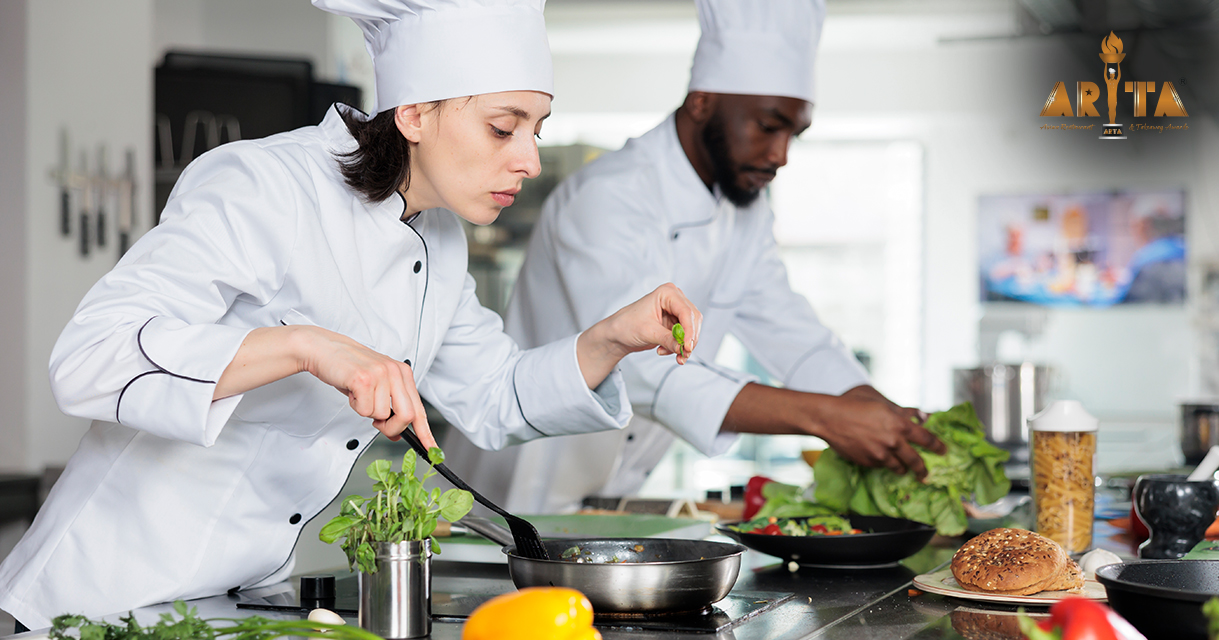

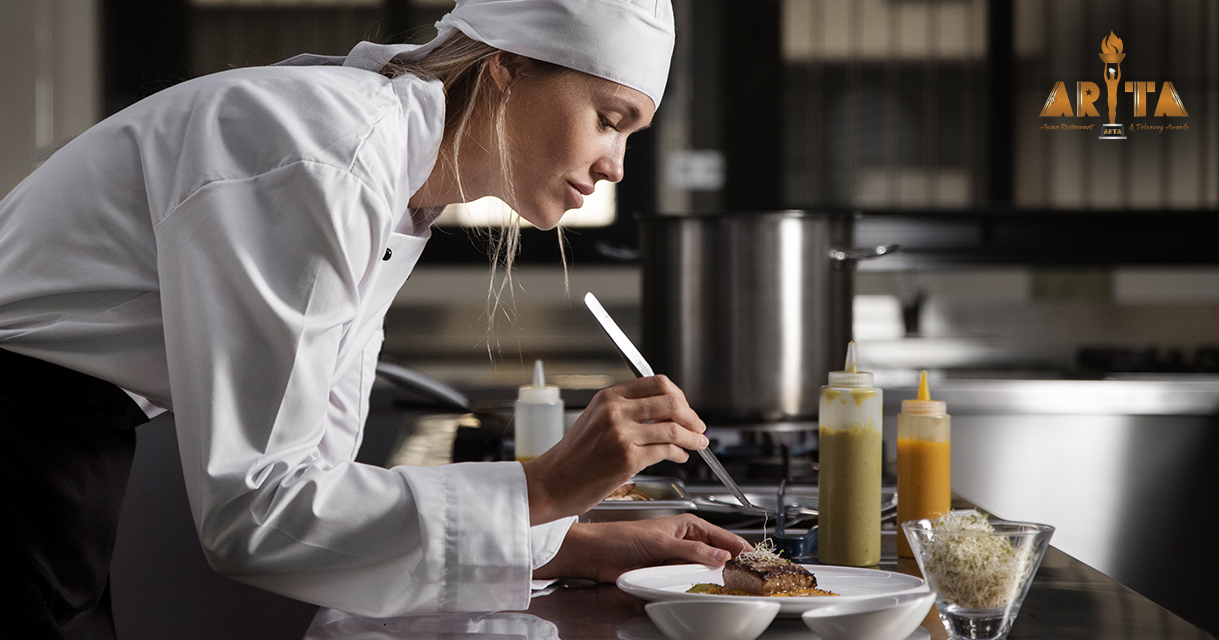
The truth is, if you’re trying to figure out how to be the best chef, there isn’t one magic trick that suddenly changes everything. It comes down to hundreds of small habits you build over time. Turning up prepared. Keeping your station tidy. Tasting your food. Staying calm when service gets hectic. Doing those things every single day is what earns respect.
You don’t need to work in a Michelin-starred restaurant to become a great chef either. Plenty of chefs who have gone on to win respected awards, including the Curry Oscars, built their reputation by cooking consistently well in busy local restaurants where every customer expected the same quality every visit.
That’s what separates a good chef from a great one. Anyone can cook a fantastic meal once. Doing it every Friday and Saturday night when tickets are flying through the printer is a completely different skill.
Whether you’re starting your first kitchen job or you’ve been cooking professionally for years, improving your cooking skills for chefs is something that never really stops.
Master the Core Cooking Fundamentals
Before worrying about complicated recipes or modern cooking trends, make sure your foundations are solid. Every experienced chef has gone back to the basics more times than they can count.
Understand the Four Pillars of Cooking
If someone asked you to explain cooking in the simplest way possible, you could break almost every dish down into four things.
Salt brings ingredients to life. Too little and everything tastes flat. Too much and you’ve ruined hours of work. Learning how seasoning changes throughout cooking takes practice, and no recipe can teach that properly.
Then there’s fat. Butter, oil, cream and even natural fat from meat all affect flavour and texture in different ways. A splash of butter at the right moment can completely change a sauce.
Acid is the bit many younger chefs forget. A squeeze of lemon or a little vinegar can wake up a rich curry or cut through a creamy sauce. It’s often the missing piece when something tastes heavy, but you can’t work out why.
Finally comes heat. This is where experience really starts to show. Two chefs can cook the same steak using the same ingredients, yet one turns out beautifully while the other ends up dry. That’s usually down to heat control rather than the recipe.
Once you understand how these four elements work together, cooking starts making a lot more sense.
Improve Your Knife Skills
You can always spot someone who’s spent time practising chef knife skills. They’re not waving the knife around trying to impress anyone. They’re simply quick, accurate and efficient. Good knife work isn’t about chopping faster than everyone else. It’s about making clean, even cuts that cook evenly and make your prep easier later on.
Think about onions. If half the pieces are tiny and the rest are chunky, they’ll all cook differently. The same goes for carrots, peppers or potatoes.
The quickest way to improve is surprisingly simple. Pick one vegetable and spend ten minutes every day cutting it properly. Don’t rush. Speed comes naturally once accuracy becomes a habit.
Keep your knives sharp too. A blunt knife usually causes more accidents than a sharp one because you end up forcing every cut.
Learn Classical Cooking Techniques
Every professional kitchen, no matter what cuisine it serves, relies on traditional techniques. Learning the mother sauces teaches you how ingredients work together. Roasting teaches patience. Sautéing teaches heat control. Grilling teaches timing.
These aren’t old-fashioned skills that belong in culinary school textbooks. They’re the reason experienced chefs can adapt when something goes wrong.
Imagine you’re halfway through service and one ingredient runs out. If you’ve only memorised recipes, you’ll panic. If you understand cooking techniques, you’ll work out another solution.
That’s why experienced chefs spend years mastering the basics before worrying about complicated presentation.
Cook Using Your Senses
One of the biggest differences between home cooks and professional chefs is that chefs don’t spend their whole shift staring at recipes.
They watch, smell, listen and taste. The food tells you what’s happening if you pay attention.
Learn to Taste Constantly
A recipe might say “add one teaspoon of salt”, but ingredients aren’t always the same. Tomatoes change with the season. Stock can be saltier than expected. Sauces become stronger as they reduce.
That’s why tasting throughout cooking is one of the best professional chef tips you’ll ever hear. Don’t wait until the dish is finished. Taste while you’re cooking, make small adjustments and taste again.
After a while, you’ll stop guessing and start trusting your palate. If you’ve ever wondered how to improve cooking skills, this habit alone will make a noticeable difference.
Pay Attention to Smell and Sound
Every kitchen has its own soundtrack. The gentle sizzle of onions. The crackle from the grill. The bubbling of a sauce reducing. Those sounds tell you what’s happening long before you actually see it.
The smell changes too. Butter starts smelling nutty just before it browns. Garlic gives you a very small window between perfectly cooked and burnt.
Once you’ve spent enough time in a kitchen, your ears and nose become just as useful as your eyes. That’s something no recipe can teach.
Understand Basic Food Science
You don’t need a science degree, but understanding a few simple reactions makes life much easier. Protein tightens as it cooks. Acid changes dairy. Sugar caramelises under high heat.
Knowing why food behaves the way it does helps you fix problems instead of guessing. It’s also one of the reasons experienced chefs stay calm when recipes don’t go exactly to plan. They understand what’s happening inside the pan.
Develop a Professional Chef Mindset
Skills matter, but attitude often decides how far you’ll go. Every kitchen has someone who’s technically brilliant but difficult to work with. They rarely become the chef everyone wants on their team.
Stay Organised in the Kitchen
Ask any head chef what slows a service down and messy workstations usually make the list. Good mise en place isn’t exciting, but you’ll appreciate it once orders start pouring in.
Have everything ready before service. Label your containers. Know where every ingredient is. Clean as you go instead of leaving a mountain of washing up until the end. Those few extra minutes of organisation save far more time later.
Remain Calm Under Pressure
Every kitchen has those nights where everything seems to happen at once. The fryer starts playing up. A delivery arrives late. Someone calls in sick. Orders keep coming. Panicking never fixes any of it.
The chefs people remember are usually the calm ones. They communicate clearly, keep everyone focused and deal with one problem at a time. That sort of attitude spreads across the whole kitchen.
Accept Feedback and Improve
Nobody enjoys hearing they’ve made a mistake, especially after a long shift. But if you ask experienced chefs what helped them improve the most, many will say the same thing. Someone was honest enough to point out what they were doing wrong.
Maybe your sauce lacked seasoning. Maybe your timing was off. Maybe your plating looked rushed. Whatever it is, take it on board instead of taking it personally.
The same goes for customer feedback. If several people mention the same issue, there’s probably something worth fixing. Every comment is another chance to improve, even if it’s not what you wanted to hear.
Keep Learning and Improving
One thing you’ll notice about great chefs is that they never act like they’ve got nothing left to learn. It doesn’t matter if they’ve been cooking for five years or thirty. They’re always picking up new ideas, tweaking old recipes or watching how someone else works. That attitude keeps you moving forward.
Explore Different Cuisines
Even if you work in an Indian restaurant every day, there’s plenty to learn from other cuisines. French kitchens can teach you about sauces and technique. Japanese cooking shows just how much precision matters. Italian food proves that a handful of ingredients can still produce something memorable. Middle Eastern cooking offers a different way of using spices and herbs.
The more styles you understand, the more confident you’ll become in your own kitchen. A good culinary techniques guide can help, but nothing beats cooking those dishes yourself.
Work With Skilled Chefs
Every chef can remember someone who helped shape their career. It might have been a head chef who insisted on getting the basics right, or a sous chef who showed you a quicker way to prep without cutting corners.
Watch how experienced chefs move around the kitchen. Notice how little they waste. Listen to how they communicate during service. You’ll learn far more standing beside a skilled chef than you will watching videos for hours.
Never be afraid to ask questions either. Most experienced chefs respect people who genuinely want to learn.
Final Thoughts
If you’re serious about how to be the best chef, don’t spend all your energy chasing complicated techniques. Master the basics first. Keep improving your chef knife skills. Taste your food constantly. Stay organised. Respect the people you work with. Most importantly, keep learning.
The chefs who build long careers and earn recognition, whether that’s praise from regular customers or awards like the Curry Oscars, usually have one thing in common. They never think they’ve finished improving.
Every service teaches you something if you’re willing to pay attention. Some days you’ll get everything right. Other days you’ll make mistakes. Both are part of becoming the chef you want to be.
Frequently Asked Questions
How do you become the best chef?
By mastering the basics, practising every day, accepting feedback and staying consistent during every service. Great chefs are built through experience, not shortcuts.
What cooking skills should every professional chef have?
Every chef should have strong chef knife skills, understand seasoning, heat control, food safety, classical cooking techniques and good kitchen organisation.
How can I improve my cooking skills faster?
Cook regularly, taste your food throughout the process, work with experienced chefs and keep learning new techniques. Small improvements every day make a big difference over time.
Why is kitchen discipline important?
Good kitchen discipline tips such as keeping a clean station, preparing ingredients before service and communicating with the team help reduce mistakes and keep the kitchen running smoothly.
Can chef competitions help your career?
Yes. Competitions and awards, including the Curry Oscars, give chefs a chance to test their skills, gain recognition and learn from other professionals in the industry.