

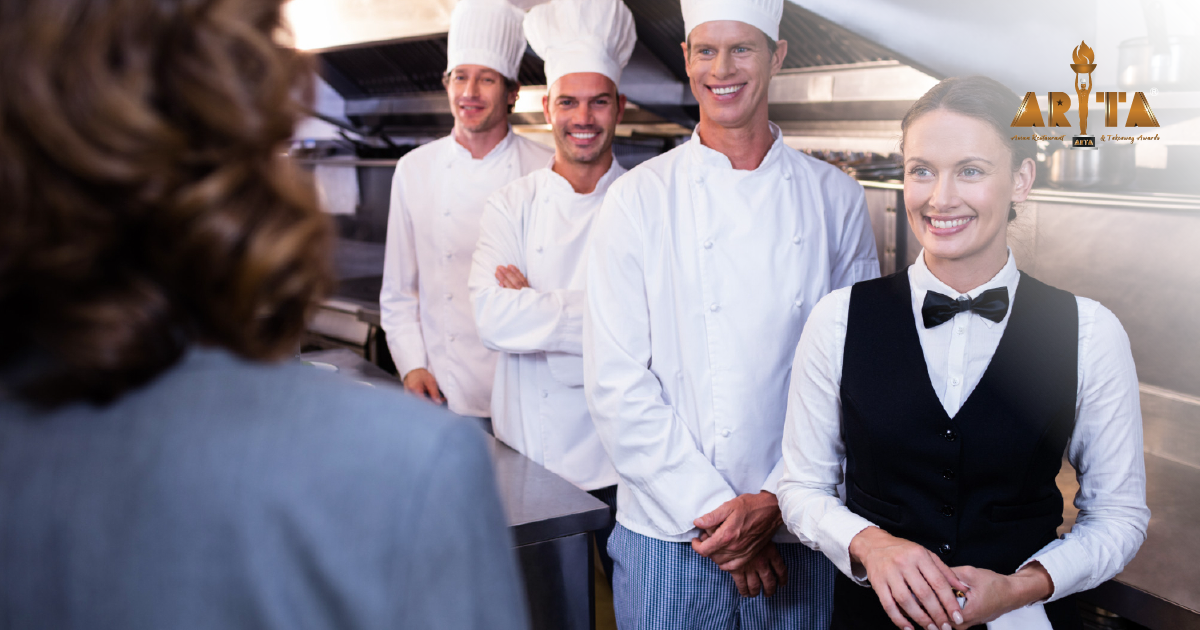
A successful restaurant is built on more than great food. While quality ingredients and skilled chefs are essential, the overall customer experience depends heavily on the people delivering that experience.
From the first welcome at the door to the final interaction after a meal, every team member shapes how customers perceive a restaurant. This is why structured staff development has become one of the most important investments for hospitality businesses across the UK.
A clear guide to restaurant staff training is not just about teaching employees their daily responsibilities. It is about creating consistent standards, improving efficiency, strengthening customer relationships, and building a team that understands the values behind the restaurant.
Whether you operate an independent takeaway, family-run restaurant, or award-recognised hospitality business, an effective training approach can help create stronger operations and long-term success.
Why Restaurant Staff Training Is Essential for Success
In the hospitality industry, customer expectations continue to rise. Diners expect excellent service, accurate orders, knowledgeable staff, and a smooth experience from start to finish.
Well-trained employees are more confident, make fewer mistakes, and are better prepared to handle the challenges of busy restaurant environments.
A structured training programme can help restaurants:
- Improve customer satisfaction
- Maintain consistent service standards
- Reduce operational mistakes
- Increase team efficiency
- Improve employee confidence
- Support staff retention
For restaurants competing in a busy market, investing in people can become a significant advantage. Recognition programmes such as the Asian Restaurant and Takeaway Awards highlight the importance of excellence across the hospitality industry, where service quality and operational standards play an important role alongside food quality.
Create a Restaurant Staff Training Plan Before Hiring
Effective training starts with preparation. Restaurants that create clear processes before employees join are more likely to build consistent teams.
A training plan gives employees direction and helps managers set measurable expectations from the start.
Define Training Goals and Business Standards
Every restaurant has its own identity, values, and customer expectations.
Before training begins, owners and managers should define:
- Service standards
- Workplace behaviour
- Customer experience expectations
- Food quality requirements
- Operational procedures
A strong training approach ensures every employee understands not only what they need to do, but why those standards matter.
Build a Restaurant Training Schedule
A structured timeline helps new employees develop confidence gradually.
A typical schedule may include:
First Day
- Restaurant introduction
- Team introductions
- Workplace policies
- Basic responsibilities
First Week
- Role-specific training
- Shadowing experienced team members
- Understanding daily procedures
First Month
- Performance reviews
- Additional skills development
- Progress towards independent working
Creating milestones helps managers track improvement and identify further training needs.
Prepare Essential Training Materials
A restaurant staff training checklist can help ensure important areas are covered consistently.
Useful resources include:
- Employee handbook
- Opening and closing checklists
- Menu guides
- Health and safety documents
- Standard operating procedures (SOPs)
- Customer service guidelines
These materials provide employees with a reliable reference point throughout their role.
Restaurant Employee Onboarding: The First Steps
A successful onboarding process creates the foundation for a positive working relationship.
New employees who feel supported from the beginning are more likely to feel confident, engaged, and connected with the restaurant.
Welcome New Employees Effectively
The first impression matters for employees too.
A strong onboarding process should introduce:
- Restaurant culture
- Team members
- Workplace expectations
- Business values
Helping new staff understand the restaurant’s purpose creates stronger commitment and teamwork.
Train Staff on Restaurant Policies
Employees should receive clear guidance on:
- Attendance procedures
- Scheduling
- Uniform standards
- Communication expectations
- Workplace responsibilities
Clear policies help prevent confusion and create a professional working environment.
Use Shadowing and Practical Training
Hospitality is a practical industry, and many skills are developed through experience.
Pairing new employees with experienced team members allows them to learn:
- Service routines
- Restaurant procedures
- Customer interactions
- Team coordination
Hands-on learning helps employees become comfortable before managing responsibilities independently.
Train Front of House Staff for Excellent Customer Service
Front-of-house employees are often the face of a restaurant. Their interactions can directly influence customer satisfaction, reviews, and repeat visits.
Strong front-of-house training helps teams deliver consistent and professional experiences.
Teaching Customer Service Skills
Customer service training in hospitality should focus on:
- Welcoming guests professionally
- Understanding customer needs
- Communicating clearly
- Handling requests efficiently
Small interactions can create memorable experiences and encourage customers to return.
Menu Knowledge and Upselling Techniques
Employees should understand the menu beyond simply knowing dish names.
Training should include:
- Ingredients
- Preparation methods
- Spice levels
- Dietary options
- Recommended combinations
Knowledgeable staff can confidently answer questions and recommend dishes that improve the dining experience.
Managing Difficult Customer Situations
Even excellent restaurants may occasionally face complaints.
Staff should be trained to:
- Remain calm
- Listen carefully
- Respond professionally
- Escalate issues correctly
A well-handled complaint can often become an opportunity to rebuild customer trust.
Kitchen Staff Training and Food Safety Standards
Food quality and safety are fundamental responsibilities for every restaurant.
Effective kitchen training ensures employees understand safe preparation methods, hygiene standards, and compliance requirements.
Food Hygiene Training Requirements
Food safety training for restaurant staff should cover:
- Safe food handling
- Storage procedures
- Cleaning practices
- Cross-contamination prevention
Training helps protect customers while maintaining the restaurant’s reputation.
The UK Food Standards Agency provides guidance for food businesses on maintaining safe food practices and meeting hygiene expectations.
HACCP and Kitchen Safety Procedures
A structured food safety approach helps restaurants manage risks effectively.
Important areas include:
- Temperature control
- Food storage
- Preparation procedures
- Cleaning schedules
- Record keeping
Consistent processes help kitchens operate safely during busy periods.
Allergen Awareness Training
Allergen management is a critical part of modern restaurant operations.
Staff should understand:
- Common allergens
- How to communicate allergen information
- Preventing cross-contact
- Escalating customer concerns
Following regulations such as Natasha’s Law helps restaurants provide safer dining experiences and maintain customer confidence.
Train Restaurant Managers to Lead Successful Teams
Strong managers are essential for maintaining standards and supporting employees.
A restaurant manager’s role goes beyond daily operations. They are responsible for developing people and creating a positive working environment.
Leadership and Communication Skills
Managers should be trained to:
- Coach employees effectively
- Provide constructive feedback
- Resolve workplace issues
- Motivate teams
Good leadership improves both employee performance and customer experience.
Performance Monitoring and Reviews
Regular reviews help identify strengths and areas for improvement.
Managers can use:
- Performance discussions
- Training assessments
- Customer feedback
- Operational reviews
to support employee development.
Creating a Positive Restaurant Culture
A positive workplace encourages employees to stay engaged.
Restaurants can support this through:
- Recognition programmes
- Career development opportunities
- Team communication
- Employee wellbeing initiatives
A strong culture often leads to stronger service.
Use Ongoing Training to Improve Restaurant Performance
Training should not end after onboarding. Hospitality standards, customer expectations, and operational needs keep changing.
Ongoing development helps restaurants maintain quality and adapt successfully.
Regular Skills Refreshers
Regular training sessions can reinforce:
- Service standards
- Food safety knowledge
- Menu updates
- Operational procedures
Continuous learning keeps teams prepared.
Cross-Training Restaurant Employees
Training employees across different roles improves flexibility.
Benefits include:
- Better rota management
- Improved teamwork
- Support during busy periods
Cross-trained teams can adapt more easily to changing operational demands.
Digital Training Tools for Hospitality Teams
Technology is also changing how restaurants train employees.
Digital training tools can help businesses:
- Deliver online learning
- Track completion rates
- Share updates quickly
- Maintain consistent standards
For growing restaurant groups, digital training provides a scalable way to develop teams.
Final Thoughts: Building a Stronger Restaurant Team Through Training
A successful restaurant depends on the people behind it.
A structured guide to restaurant staff training helps businesses create consistent standards, improve customer experiences, and develop confident employees.
From restaurant employee onboarding and front-of-house training to food safety procedures and leadership development, every stage of training contributes to stronger operations.
For UK hospitality businesses, investing in employees is not simply a requirement. It is an opportunity to build a team capable of delivering excellence every day.
Restaurants that continue to develop their people will be best positioned to create memorable experiences, earn customer loyalty, and achieve long-term success.
Frequently Asked Questions
Why is restaurant staff training important?
Restaurant staff training helps employees understand their responsibilities, improve service quality, reduce mistakes, and deliver consistent customer experiences.
What should be included in a restaurant staff training checklist?
A restaurant staff training checklist should include onboarding, customer service, food safety, menu knowledge, workplace policies, and role-specific responsibilities.
How long should restaurant employee onboarding take?
The onboarding process varies by role, but most restaurants provide initial training during the first days and continue development throughout the employee’s first month.
What is the most important food safety training for restaurant staff?
Key areas include safe food handling, hygiene procedures, allergen awareness, storage practices, and contamination prevention.
How can restaurants improve customer service through training?
Customer service training helps employees communicate better, understand customer needs, handle complaints professionally, and create positive dining experiences.